
BLOG

Alyssa Mt. Pleasant on “Haudenosaunee (Iroquois) Revitalization”

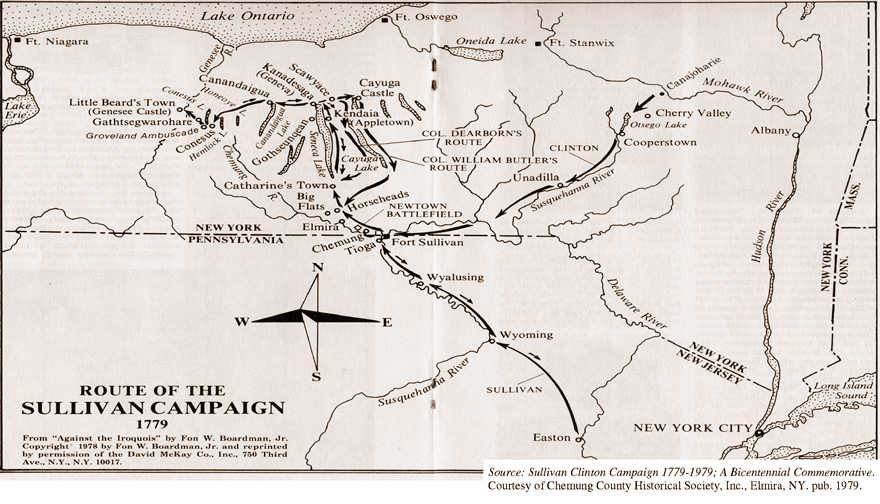
route-mapWhile we are familiar with the U.S. Revolutionary war as a declaration of U.S. independence from Britain, Native communities also played a role in fighting and were changed by the results of the war. In “Haudenosaunee (Iroquois) Revitalization,” Alyssa Mt. Pleasant brings attention to the poorly known Sullivan Campaign, when the Continental Army invaded and destroyed much of Haudenosaunee territory in the Finger Lakes region.

At the outset of the War, Native people and loyalists carried out destructive raids on the frontiers of New York and Pennsylvania in 1778. The Sullivan Campaign of 1779 was an attempt to counter those raids. The Sullivan campaign destroyed the lands, homes, and farms of Native populations and reduced their ability for self-sufficiency.

The two major battles, the Battle of Chemung and the Battle of Newtown, in the Sullivan Campaign occurred in August 1779. The Battle of Newtown occurred near present day Elmira, NY. By discussing the resources and strategies Native people drew upon to rebuild in the wake of war, Professor Mt. Pleasant explains how numerous reservation territories in today’s Western New York came to exist.

For more on the Sullivan campaign, please join us on Saturday, 9/24 from 11 am – 12 pm at Rockwell Hall, Room 304 on Buffalo State University’s campus. You can purchase tickets and daypasses to the Festival here.

Alyssa Mt. Pleasant (Tuscarora) teaches Native American Studies at the University at Buffalo. A historian who specializes in the colonial period and early American republic, her current project focuses on the Buffalo Creek Reservation. She has been a guest on CNN and has been profiled in the New York Times and Indian Country Today.
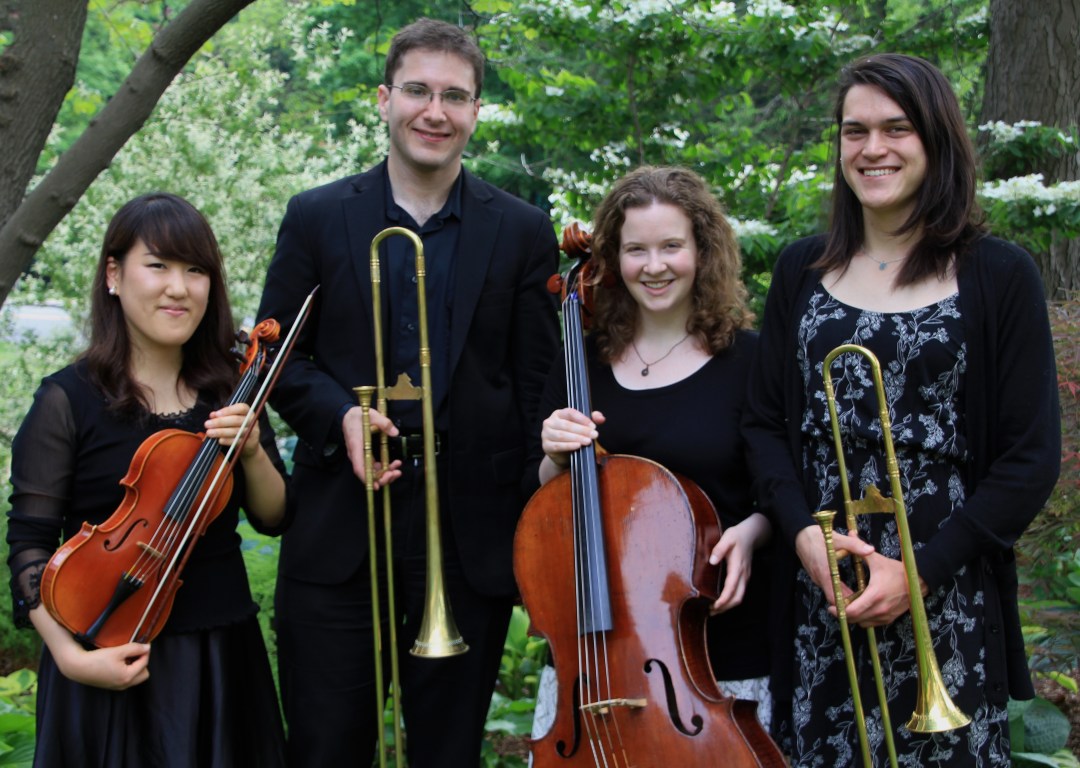
Christ Church Consort performs Renaissance Music: The Regensburg Partbooks

Christ Church Consort

Along with a wonderful roster of talks that explore our theme of Renaissance Remix, the 2016 Buffalo Humanities Festival also features great music, performances, and films. One of this year’s featured musical groups is The Christ Church Consort.

Based in Rochester, New York, the Christ Church Consort is comprised of Early Music professionals Glenna Curren, Aika Ito, Julia Neely, and Ben David Aronson.  The Christ Church Consort is dedicated to providing the highest levels of Early Music performance and education.

The Christ Church Consort explores the rich repertoire and performing traditions from the famed Regensburg Partbooks of 1579.  Unique in preserving many instances of specific instrumentation, the Regensburg manuscript is one of the richest sources of sixteenth-century vocal music copied for instrumental ensemble.  Featuring representative works from some of the most famed composers of its era, the Regensburg manuscript is an essential guide to illuminating the practices of the Renaissance instrumental ensemble, many of which persist to our own day.  The presentation includes a discussion of the material.

We’re excited to listen the beautiful music of The Christ Church Consort from 11:00am-12:00pm in the Burchfield Penney Auditorium.

Jonathan Dewald, “Curating the Self in Renaissance Europe”


h5_89-15-19

As Bhakti Sharma’s BHF talk addresses, we are currently in the age of the selfie. Carefully curated social media “selves” have drawn attention the ways we create multiple, often overlaid identities. It has exposed our fascination with “authentic” identities and how we judge our selves against the selves of others. The “realness” or “fakeness” of our social media selves has lead to multiple studies on happiness, the psychology of social media, and what social media trends say about our society. The studies then become reported widely throughout academic and popular media.

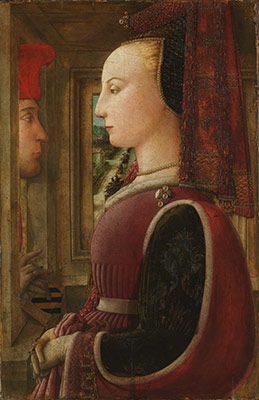
It might be tempting to think that our current selfie-obsessed moment is utterly new—certainly the easier access to quality cameras and ubiquity of social media networks have changed the way we present and think about our public selves. But UB Distinguished Professor of History Jonathan Dewald’s #BHF16 talk finds continuities between the approach to selfhood that emerged in the Renaissance to our own versions of social media selfhoods. Professor Dewald will show how the Renaissance broke the Medieval European constraints of self and allowed the modern self to develop freely, making the case that understanding how that process of selfhood worked in the Renaissance can help us understand ourselves today.

Please join us and Professor Dewald for his talk, “Curating the Self in Renaissance Europe,” on Saturday, 9/24 from 2:30pm-3:30pm in Ketchum Hall, Room 111. And if you want to post about it on social media, don’t forget to #BHF16!

Jonathan Dewald is UB Distinguished Professor of History at the University at Buffalo.  He studies French cultural and social history and the history of ruling groups across Europe.