
The Real Eunuchs of Constantinople

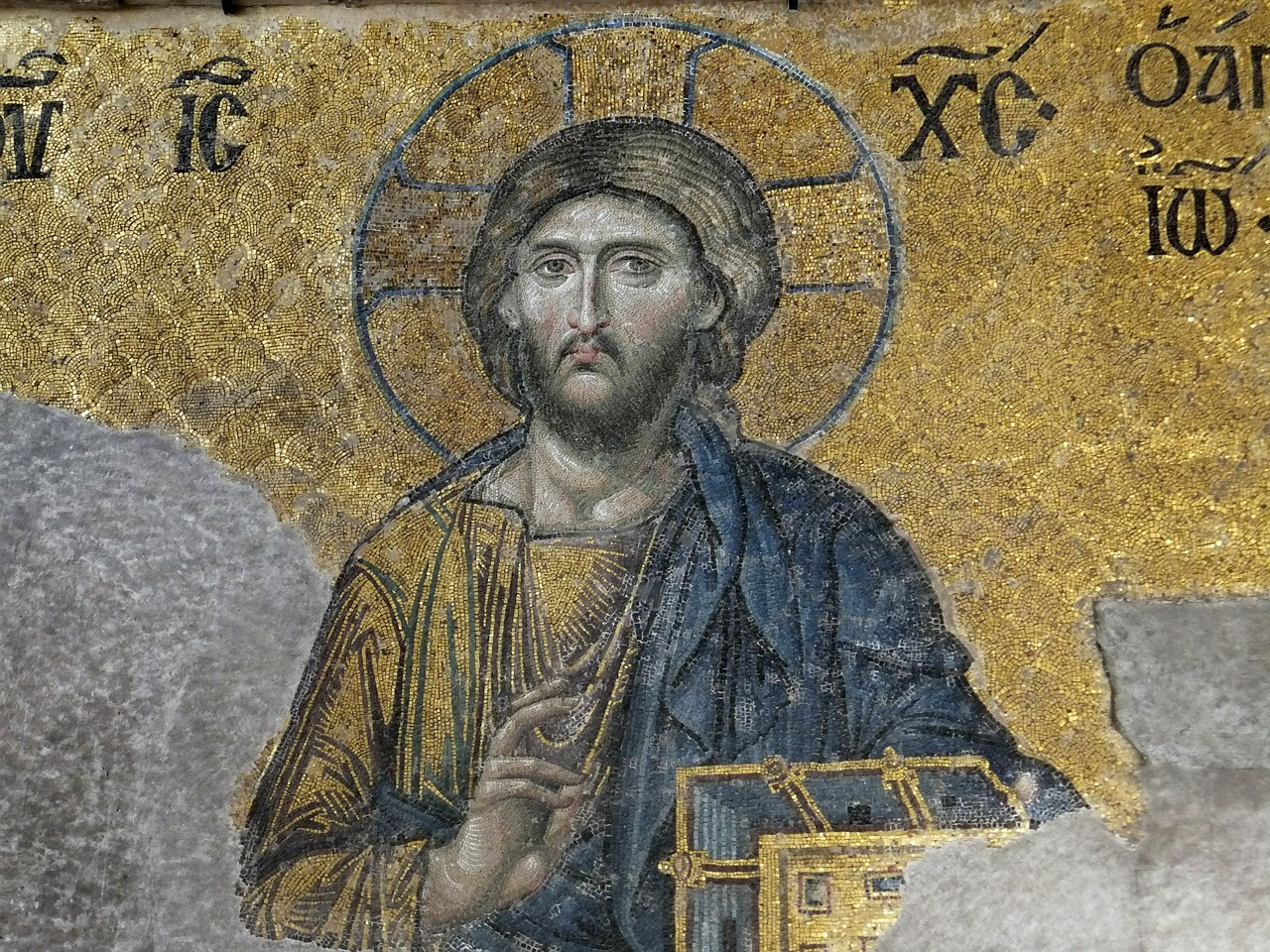
Byzantine mosaicTo counter the popular belief that gender-bending is a relatively modern-day phenomenon, Prof. John Arnold will give a talk on Saturday, Sept. 26th from 3—4pm in Ketchum Hall at SUNY Buffalo State about the history of non-binary gendered people, particularly the eunuchs of Constantinople.  Eunuchs formed a visible and powerful group in the ancient city.

Castrated men such as Eutropius and Narses held high political and military positions even though they were deprived of the prime markers of male authority, the ability to penetrate and impregnate.  As such, eunuchs stood opposed to the uncut male bodies that normally wielded power.  Eunuchs were dangerously exposed to political opponents who construed their absent genitalia as signs of femininity and who used misogynistic language to marginalize eunuchs as “queer.”

If you want to read up on your history before Prof. Arnold’s talk, here’s a quick primer for you. According to the article,

“The Byzantine empire was a melting pot of East and West, with the Eastern Orthodox church reigning supreme and influencing almost all aspects of people’s lives, while the pagan elements from the time when Emperor Constantine relocated Rome to Byzantium as an intended new capital for the Roman empire, provided for an interesting and strange mixture of pious and fanatical Orthodoxy with a simultaneous exploration of ancient thought and lifestyle. As might be expected in such a situation there were many contrasts within the empire’s way of life and belief-system, the Byzantine eunuch being one of these.”

Prof. Arnold’s talk will also counter the common-held belief that the Middle Ages were somehow ignorant or backwards in regards to many of the values we hold today. In the battle for gender equality and LGBTQ rights, we often hear proponents of reform accuse conservatives of “trying to bring us back to the Middle Ages” when in fact these statements do a great injustice to history.

John Charles Arnold is Associate Professor of History at SUNY Fredonia, where he teaches courses on the ancient and medieval worlds.  His research concerns angel veneration in early Christianity and the sanctuary of Mont Saint-Michel in Normandy.
A Shakespearean Gender-Bender

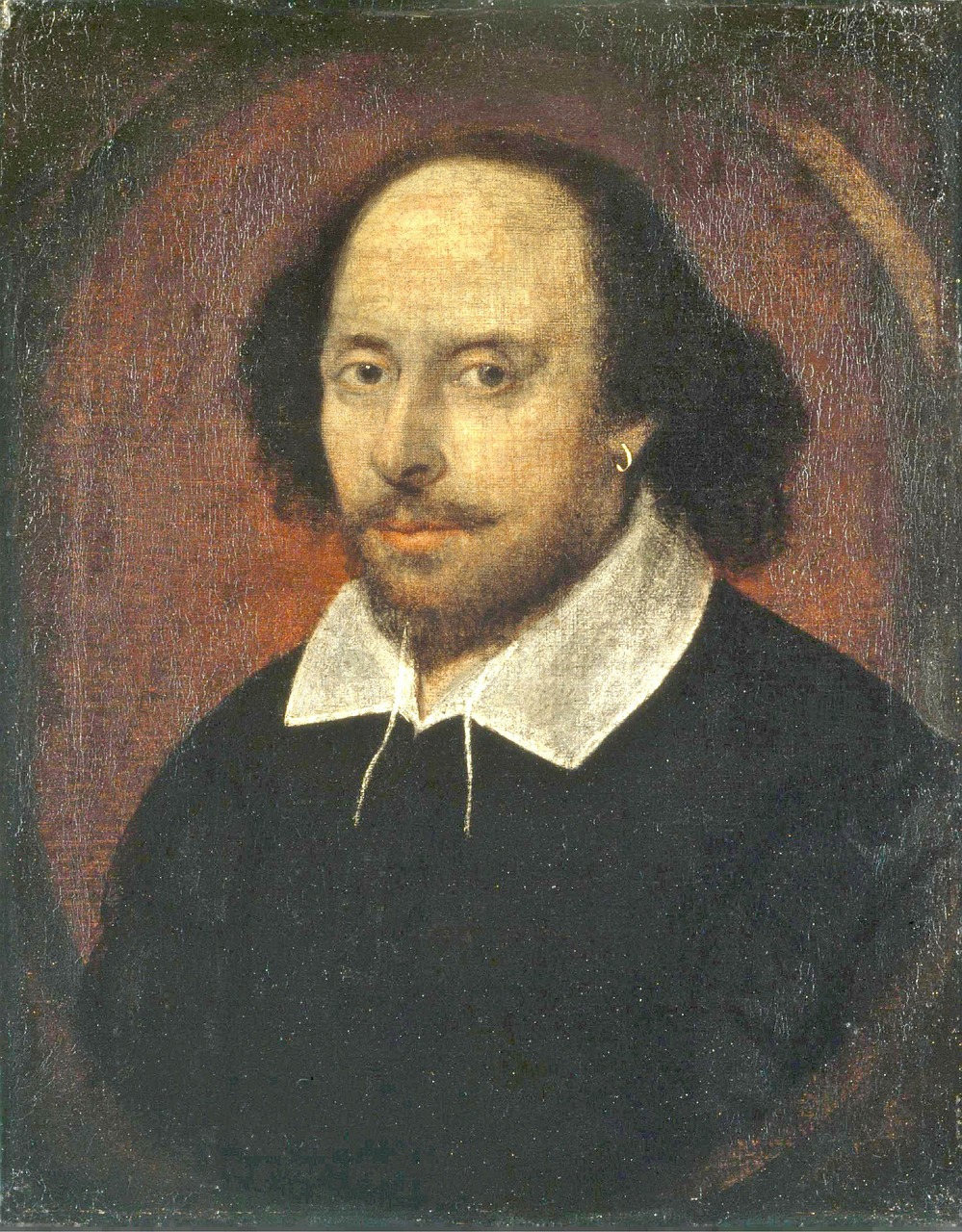
shakespeareThe Buffalo Humanities Festival is excited to present a special performance and presentation by Shakespeare in Delaware Park! The performance will take place on Saturday, Sept. 26th from 1 – 2 pm in the Burchfield Penney Auditorium.

The presentation will, naturally, explore gender roles, in this case how casting different genders affects audience reception of Twelfth Night. William Shakespeare wrote some of the most exciting and complex female characters in the dramatic canon.  And yet, he wrote them for male actors at a time when women weren’t allowed on stage.  Does a male perspective on a female voice change the message?  Does a modern audience experience cross-gender casting differently than viewers of Shakespeare’s day?

In this presentation, Shakespeare in Delaware Park will explore such questions in a double take of Olivia and Viola scenes from Twelfth Night, once with an all-male cast and once with all women, to show how gender influences text, and ultimately, the performance experience.

Shakespeare in Delaware Park is a not-for-profit, professional theatre company dedicated to providing free, high-quality public theatre to the widest possible audience.  One of Buffalo’s most beloved cultural institutions, SDP is currently in its 40th Summer Season.

You can see its production of Romeo and Juliet until July 12th, which also features women actors in several traditional male roles. The official run of Twelfth Night is from July 23rd through August 16th, and will feature an all-male cast. We highly recommend that you see the performance before the Festival!

You can learn more about Shakespeare in Delaware Park at their website. Consider making a donation to keep this beloved Buffalo tradition alive.

Reimagining Girl Stories through Poetry

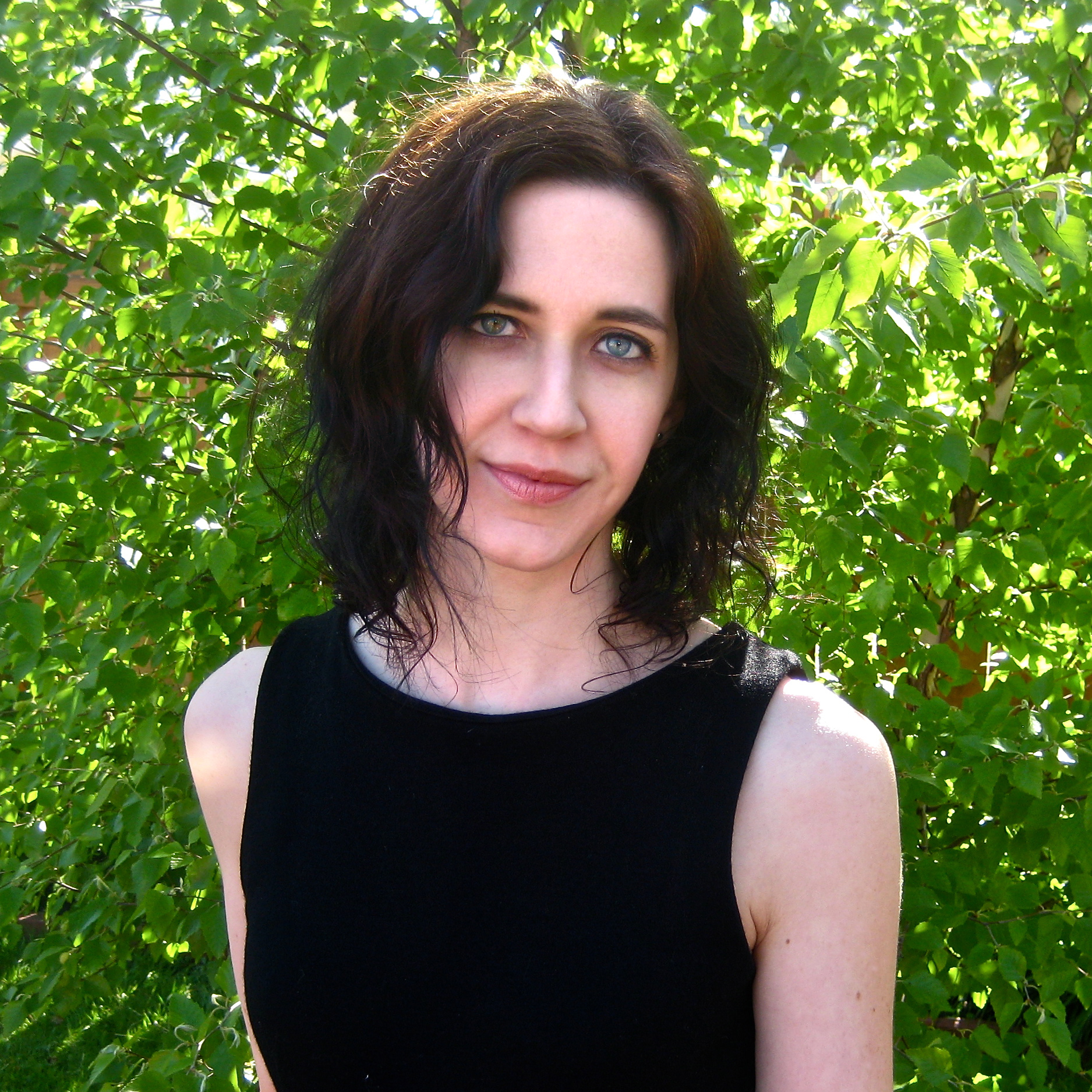
Janet McNallyWhen novelist, poet, and featured Buffalo Humanities Festival speaker Janet McNally was expecting a baby girl, she began to ask questions about the stories we tell about girls in the collective Western imagination. Why are so many fairy tale heroines in trouble, asleep, or otherwise unconscious? How do the dangers in these stories—wolves, stepmothers, men—translate to the present day? And how do we teach our daughters to navigate these “girl stories”? These questions led her to explore and reimagine these stories through poetry.

On Saturday, Sept. 26th from 11:00am—12:00pm in Ketchum Hall (room TBA), McNally will read from her forthcoming prizewinning collection, Some Girls, which won the 2014 White Pine Press Poetry Prize, and host a discussion about how we interact with the “girl stories” our culture keeps telling.

Some Girls was described by White Pine Press Poetry Prize judge Ellen Bass as “full of strange and lovely images, quirky humor, and an uncanny insight into the classic myths and fairy tales that reveal these stories to be as true and revelatory as ever. The past and the present, the personal and the universal, are braided with surprising and lush language. The great poet Stanley Kunitz said we have to avoid not only clichés of language, but clichés of thought and these poems succeed in that. Janet McNally is a fresh and original voice.” You can pre-order the collection, which will be released this fall, on Amazon.

Janet McNally has an MFA from Notre Dame and is currently a New York Foundation for the Arts fellow in fiction. Her young adult novel Girls in the Moon is also forthcoming from HarperCollins. She teaches creative writing at Canisius College.